
Look at the door before you look at the lock
Whether a smart lock installs cleanly depends on the door: whether the slab has warped, whether the bore is true, whether the frame is solid where it needs to be. If the door already does not line up, an expensive lock will bind just the same. We check all of that before quoting, and straighten out the door first if it needs it.
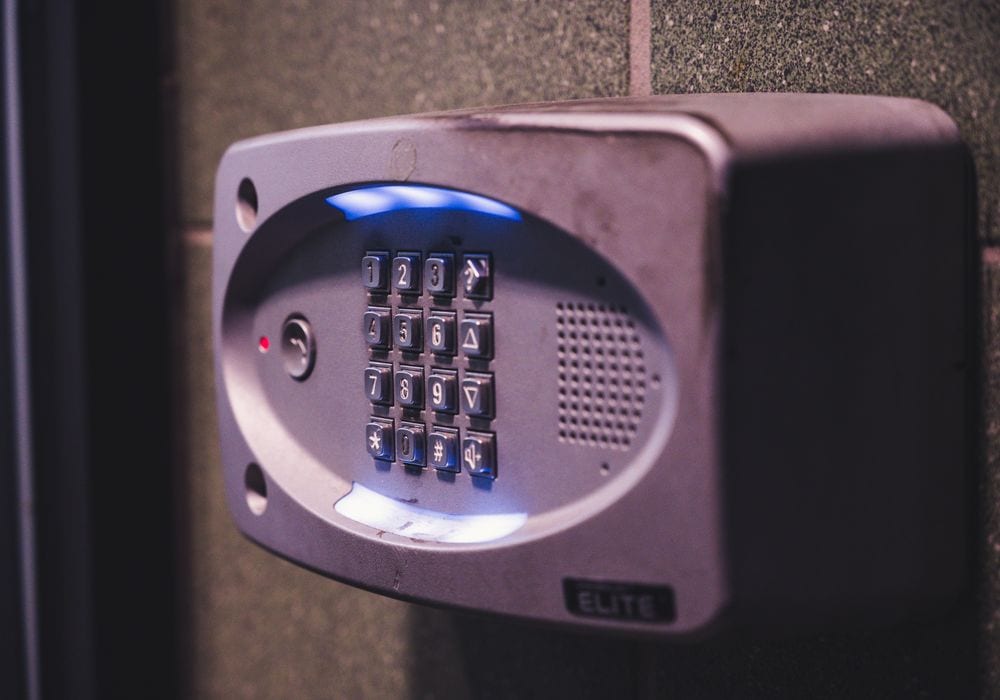
Everyone gets their own code
Handing the same code to everybody means you have no record of anything. We set family, cleaners and contractors up with separate codes, and the system logs which one opened the door each time.
- Family: permanent codes with no expiry.
- Regular cleaning: valid only during a set window each week.
- One-time visitors: a code that expires by itself, so there is nothing to collect afterwards.
- Emergency contact: disabled day to day, enabled remotely when it is needed.
What happens when the batteries die
This is the question everyone asks. Decent hardware starts warning weeks ahead rather than simply stopping. Even fully flat, the physical key still works, and some models let you hold a power bank to contacts on the outside to get in. We demonstrate both of those at handover.
Keep the real key
We always retain a physical keyway, and we suggest keeping a spare somewhere off the property. Smart should not mean removing your way out of trouble.
What it can trigger
Unlocking can bring up the entry lights, disarm the alarm and flag the camera recording. Leaving does the reverse: lock up and the house goes dark, the thermostat sets back and the perimeter arms. All of that is configured at installation — it is not something you drive by hand each day.